
Heavyweight T-shirts: What GSM to Choose for a Premium Tee
9 October 2026
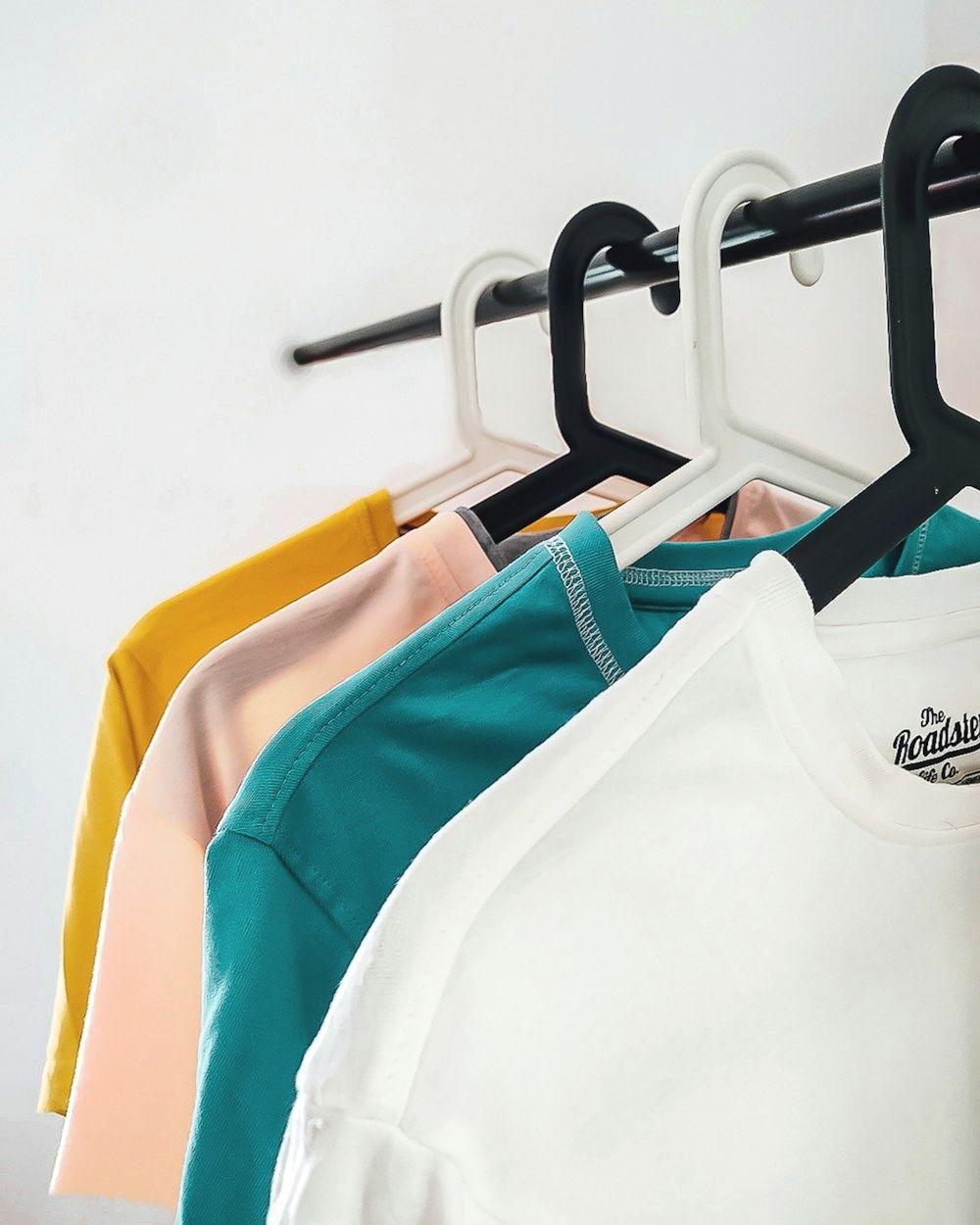
Heavyweight t-shirts are one of the clearest signs of a premium basic: thicker fabric, a structured fit and a feel that customers notice the moment they touch it. But weight is only part of the story. Here is how to choose the right gsm for your tees, and what else makes a t-shirt feel premium.
What gsm means for a t-shirt
GSM means grams per square metre, the weight of the fabric. For t-shirts, the ranges are roughly:
- 130–160 gsm: light and soft, with more drape; good for summer and fitted styles.
- 160–200 gsm: the everyday basic; 160–180 gsm is the most common range.
- 200–240 gsm: a mid-weight tee that feels solid and premium without being heavy.
- 240–300 gsm: heavyweight; the structured, boxy streetwear t-shirt.
Why heavyweight tees feel premium
- Structure: a thicker fabric holds the boxy, oversized shape instead of clinging to the body.
- Opacity: it doesn't show through, even in white and light colors.
- Durability: it keeps its shape better through washing and wearing.
It's not only the weight
- The yarn: combed and compact cotton yarns are smoother and pill less than standard yarns.
- The knit: single jersey is the classic t-shirt fabric; interlock is smooth on both sides and feels denser.
- The finish: compacting reduces shrinkage; garment dye and washes give a soft hand and a vintage color.
- The neck rib: heavyweight tees often have a wider rib, around 2–2.5 cm, that keeps its shape.
- Elastane: good for fitted tees, but it spoils the drape of an oversized one.
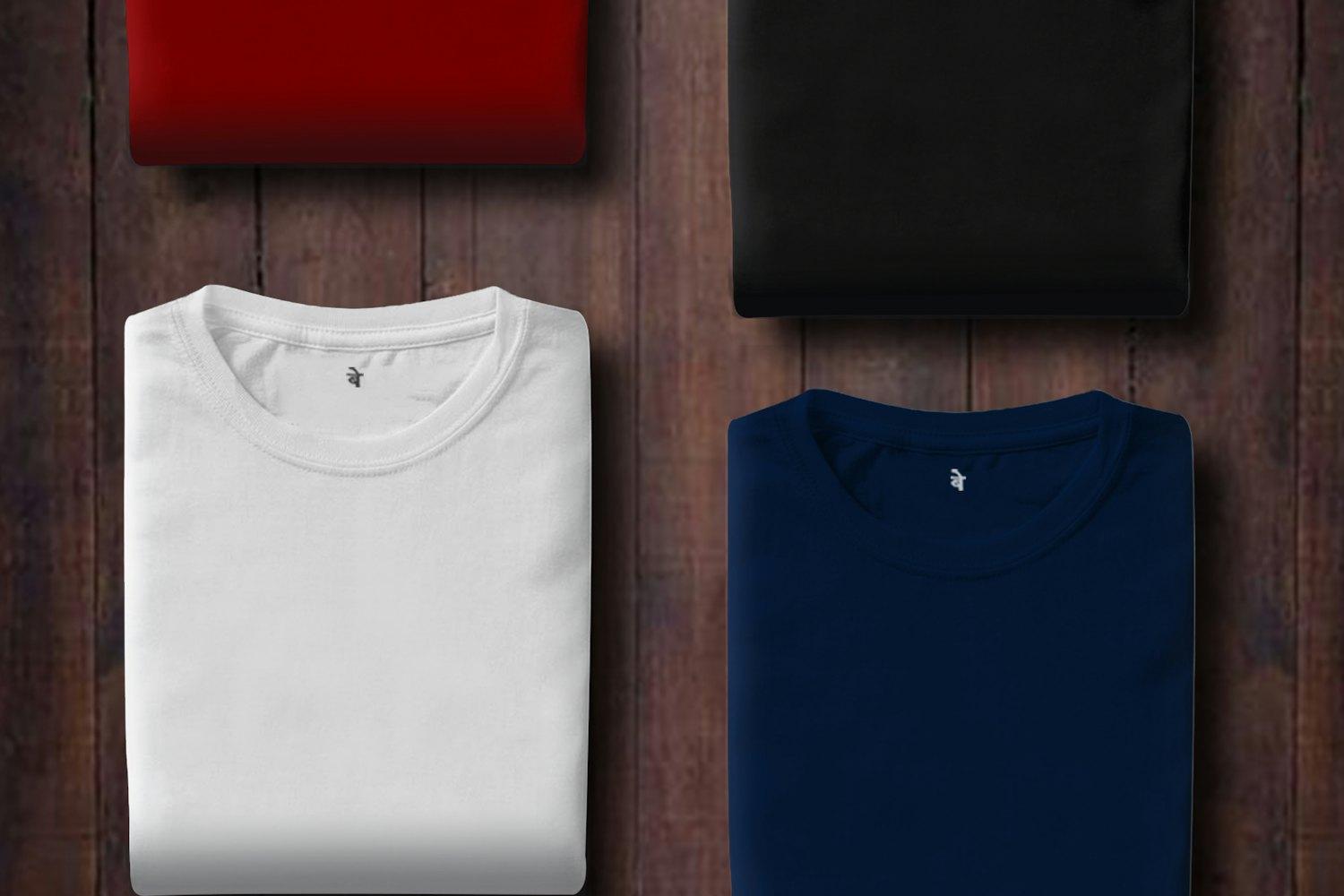
Which fabric for which t-shirt
- Basic or regular tee: cotton single jersey, around 160–180 gsm.
- Oversized streetwear tee: heavyweight cotton jersey, around 240–280 gsm.
- Fitted tee or crop top: cotton-elastane jersey or rib, so it stretches and springs back.
- Soft, drapey premium tee: viscose or modal jersey.
Cost, shipping and shrinkage
A heavier fabric uses more cotton, so the fabric cost per piece is higher, and heavier cartons cost more to ship. It is worth it when your t-shirt is positioned as a premium product. Cotton can also shrink a few percent: compacted fabric reduces it, and for garment-dyed or washed tees the shrinkage is planned in the pattern.
How to get it right
The easiest way is to start from a t-shirt you love: send it to us as a reference, and we source a matching fabric for your sample. Then you check the weight, feel and fit in hand before production. See the styles and fabrics on our t-shirt production page, compare fabrics in our fabric guide, or create a free tech pack.
Frequently asked questions
Is 200 gsm heavyweight?
200 gsm is a solid mid-weight t-shirt. Most brands call a t-shirt heavyweight from around 220–240 gsm, and many streetwear tees are 240–280 gsm.
Can you make oversized heavyweight tees with garment dye?
Yes. Oversized, boxy and heavyweight t-shirts are among the styles we make, and garment dye and washed effects are possible.
What is the minimum order for t-shirts?
With a stock fabric, the minimum per design and color is what one roll of fabric yields: for a t-shirt, around 50 to 70 pieces. For new brands we can sometimes go lower after reviewing the design, and you can always start with a single sample.
Ready to start your production?
Create a free tech pack in a few minutes, or answer three quick questions and we'll show you the best way to start.